The Rise of Oud: From Ancient Tradition to Global Luxury Fragrance
Oud’s story begins centuries before modern perfume counters. Resin-rich agarwood was burned as incense and distilled into fragrant oil across parts of Asia and the Middle East. Its place in global luxury fragrance came much later.
Today, you can find oud beside rose, fruit, amber and fresh florals. Each pairing brings out a different side of the note, which helps explain how it reached such a wide audience.
Oud Before the Modern Perfume Bottle
The different names for agarwood tell part of its history. It is known as gaharu in Indonesia, oud in Arabia and chen xiang in Chinese.
Agarwood has long been collected for incense, scented oils and cultural ceremonies. In the Middle East, oud also became closely connected to personal fragrance. Oud oil could be applied directly, while pieces of agarwood were burned to scent clothes, homes and gatherings.
Modern Eau de Parfum places those familiar traditions inside a spray bottle.
What Is Oud and Why Is It So Valuable?
Oud comes from the resin-rich wood of Aquilaria and other agarwood-producing trees. The wood starts with very little fragrance. Resin develops after the tree experiences injury, fungal activity or another form of stress.
Several factors contribute to its value:
-
Natural formation is unpredictable: One tree may develop fragrant resin while another tree of the same age may produce very little.
-
The process takes time: Resin must build inside the wood before it develops the depth needed for incense or perfume oil.
-
Quality varies greatly: The tree species, growing region, resin content and distillation method can all change the finished scent.
-
Wild sources require protection: High demand has placed pressure on agarwood-producing trees, making responsible cultivation and controlled sourcing increasingly important.
Natural oud oil is therefore rare and expensive. Modern fragrances may use natural oil, a carefully built oud accord or a combination of the two.
How Oud Became a Global Luxury Fragrance
International perfume houses began pairing oud with notes that more fragrance wearers already recognised. Rose gave it a floral direction. Amber made it warmer, while fruit and fresh florals softened some of its heavier qualities.
These combinations gave people an easier way to explore oud. Someone who finds a smoky blend intense can begin with amber or rose. A person who already enjoys deeper woods may prefer oud with cedarwood and spice.
Four Modern Ways to Wear Oud
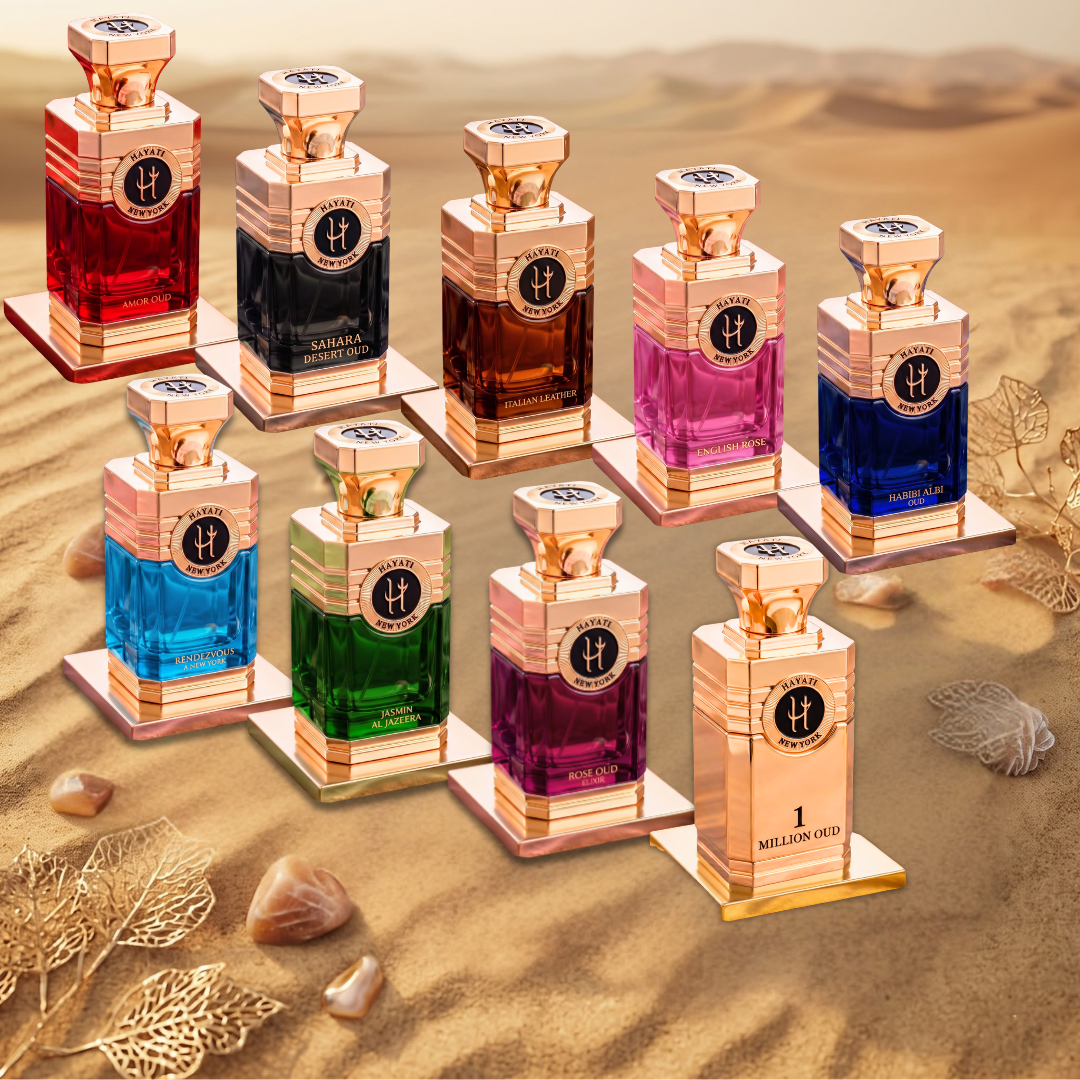
Hayati New York’s collection shows how much the character of oud can change from one perfume to another.
Smoky and Spiced: Sahara Desert Oud
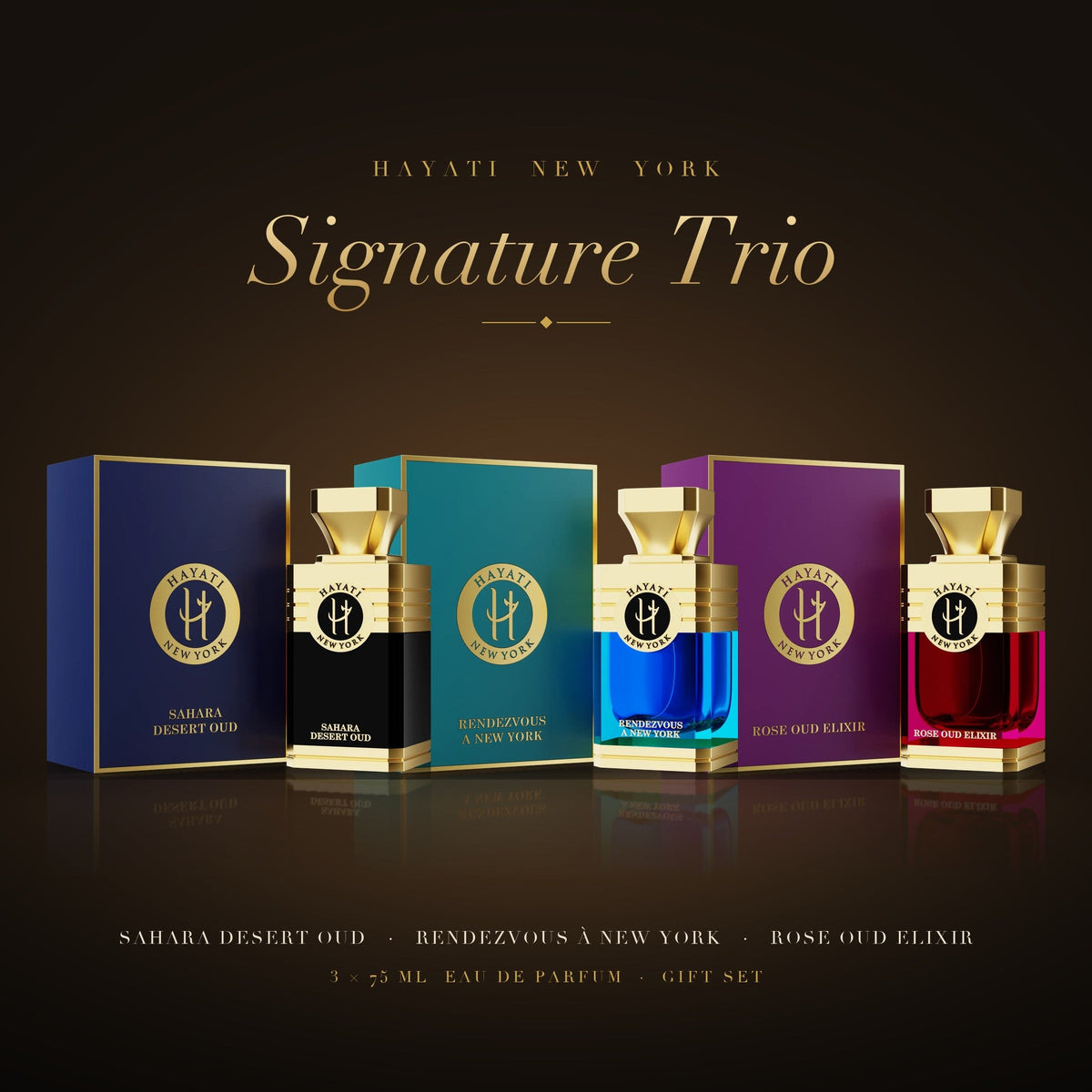
Sahara Desert Oud places Cambodian oud beside spice, cedarwood and sweet woods. You notice the spice first, followed by a drier smoky finish. It suits cooler evenings and occasions that can carry a stronger scent.

Floral and Woody: Rose Oud Elixir
Rose Oud Elixir pairs royal rose with agarwood and guaiac wood. The rose stays clear, while oud gives it more depth. Guaiac wood leaves a soft smoky edge as the perfume settles.

Amber and Floral: Amor Oud
Amor Oud takes a softer unisex route. Oud opens the fragrance before fresh florals and amber settle in. It is a comfortable starting point for anyone who finds darker oud perfumes too intense.

Fruity and Spiced: 1 Million Oud
1 Million Oud opens with peach and apple. Honey, saffron and cloves appear next, followed by amber, musk and agarwood. The fruit keeps the opening lively before the oud becomes clearer.

Discover Modern Oud at Hayati New York
Oud has kept its connection to incense, perfume oils and centuries of fragrance culture while finding new forms in modern perfumery. Hayati New York presents it through smoke, rose, amber, spice and fruit, giving you several ways to find an oud fragrance you will enjoy wearing.